



Shaping Modern Living Through Design, Innovation, and Heritage
Sri Lanka’s architectural industry stands at a unique crossroads of rich cultural heritage and modern innovation. From ancient kingdoms and colonial influences to contemporary high-rise developments, architecture in Sri Lanka reflects a continuous evolution shaped by climate, culture, technology, and global design trends.
Today, the industry plays a vital role in the country’s urban development, housing sector, tourism, and infrastructure growth, making architecture one of the most influential creative and technical professions in Sri Lanka.
A Blend of Tradition and Modern Design
Sri Lankan architecture has always been deeply rooted in tropical design principles, emphasizing natural ventilation, shaded spaces, courtyards, and harmony with nature. These traditional values continue to influence modern architecture, even as the industry adopts contemporary aesthetics, sustainable materials, and smart technologies.
Modern architects skillfully blend:
- Traditional Sri Lankan spatial planning
- Minimalist and modern architectural styles
- Sustainable and climate-responsive design concepts
This balance allows buildings to remain functional, energy-efficient, and culturally relevant.
Growth of Urban Development and High-Rise Living
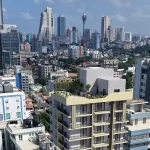
Rapid urbanization, especially in Colombo and the Greater Colombo Region, has significantly transformed the architectural landscape. The demand for luxury apartments, mixed-use developments, office towers, and commercial complexes has driven innovation in architectural planning and visualization.
Key growth areas include:
- High-rise residential apartments
- Commercial and office buildings
- Hospitality and resort architecture
- Mixed-use urban developments
Architects and developers now focus on space optimization, lifestyle-driven design, and premium amenities, catering to modern urban living.
Role of 3D Architectural Visualization
The rise of 3D architectural visualization has revolutionized how architecture is presented and approved in Sri Lanka. Traditional drawings are now complemented—and often replaced—by photorealistic 3D renders, walkthrough animations, and virtual tours.
These tools help:
- Clients visualize projects before construction
- Improve design accuracy and decision-making
- Support marketing and pre-sales campaigns
- Reduce costly design revisions
3D visualization has become essential for architects, developers, and real estate professionals seeking clarity and confidence in project execution.
Technology, AI, and Sustainable Architecture
The architectural industry in Sri Lanka is increasingly embracing advanced technology and AI-powered workflows. Tools such as BIM (Building Information Modeling), real-time rendering, and AI-assisted design iterations enable faster development without compromising quality.
At the same time, sustainable architecture has become a priority. Architects focus on:
- Energy-efficient building designs
- Natural lighting and ventilation
- Green materials and renewable energy solutions
- Environmentally responsible construction practices
This shift aligns with global sustainability standards while addressing local climate conditions.
Skilled Workforce and Professional Excellence
Sri Lanka is home to a highly skilled pool of architects, engineers, designers, 3D visualizers, and construction professionals. Many are trained locally and internationally, bringing global exposure and technical excellence to local projects.
Professional bodies and strict industry standards ensure:
- High-quality design and construction
- Ethical professional practices
- Safety, compliance, and structural integrity
This expertise allows Sri Lankan firms to successfully deliver projects both locally and internationally.
Future of Architecture in Sri Lanka
The future of the architectural industry in Sri Lanka is driven by:
- Smart city development
- Sustainable and eco-friendly design
- Digital transformation and AI integration
- Increased demand for lifestyle-oriented spaces
As client expectations evolve, architects and visualization studios continue to push creative and technical boundaries—shaping environments that are not only visually impressive but also functional, sustainable, and future-ready.
Conclusion
The architectural industry in Sri Lanka continues to grow as a powerful blend of heritage, innovation, and technology. With strong professional expertise, advanced visualization methods, and a commitment to quality and sustainability, Sri Lankan architecture is shaping the future of modern living—both locally and globally.